
The snow outside piled like a bad omen, the only light in the room: a small candle. Even inside, the air was so cold it pierced through your jacket like a frigid knife. For many, this is not just an unpleasant description, but rather an all too real retelling of what many Texas residents remember as “Snovid.”
In 2021, an unexpected winter storm sent southern and central Texas into a frenzy of ice, snow, and unprecedented cold temperatures. Power shut down, heaters stopped working, roads and stores were inoperable, and in some instances, people were seriously hurt or even died. Today, a severe winter storm is threatening to plunge Texas into a “Snovid 2.0.” With chances of ice, hail and unseasonably cold temperatures, this event threatens the well-being of millions.
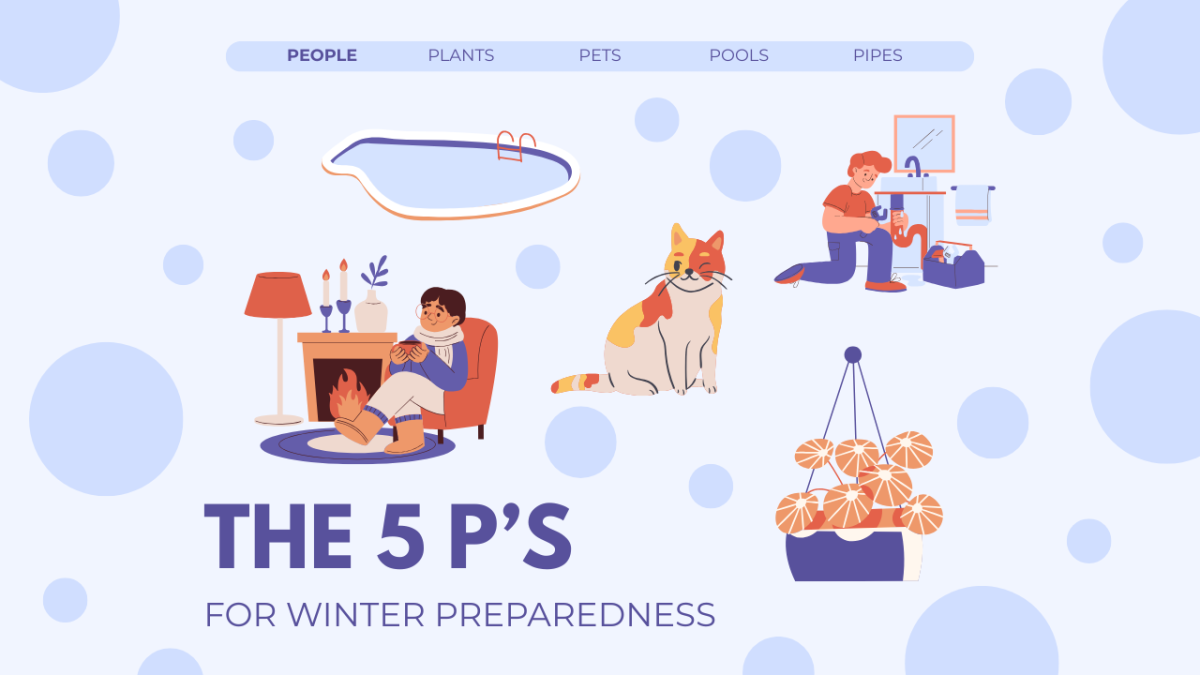
However, this year we have foresight and can prepare accordingly in a few key ways to protect homes, ourselves, and loved ones.
Firstly, crack your pipes and open all cabinets near piping. By opening your faucet just enough to allow a drip of water every 2 to 3 seconds, you can drastically reduce the pipe’s chances of freezing and even bursting. You can supplement this by leaving cabinets under any sink open; this allows the warm air to circulate around the pipe, further reducing the chances of failure. Not only do burst pipes stop you from accessing water, but they can also cause thousands of dollars in damage, so doing anything you can to protect them is vital.
Secondly, be aware of Carbon Monoxide levels. During “Snovid,” many brought small grills and generators into their homes due to the loss of electricity. By itself, this is a fine supplement, but these appliances have one major drawback: gas. When left unchecked, the appliances can generate Carbon Monoxide, a gas that is toxic to the lungs and can lead to unconsciousness, poisoning, or even death. To combat this, ensure that your smoke detectors are all functioning and have new batteries. Additionally, never under any circumstances bring petrol or propane-powered appliances into the home or garage, and have at least one carbon monoxide detector just in case.
Third, fortify your home. Contrary to most architecture, homes in Texas are designed to release heat rather than contain it. In addition, Texas has an independent energy grid, making it prone to shutdown in times of extreme weather. In the event that electricity, and therefore heating, is shut down, act immediately. Designate one central room as your ‘bunker,’ close all doors to other rooms, and stuff towels in the cracks. Also, make sure to cover all windows with blankets or bubble wrap to provide additional insulation. This allows the remaining heat inside to last longer, and any present portable heaters to more efficiently circulate since the overall space is smaller.
Lastly, ensure that you have an emergency survival kit. Have easy-to-prepare food like canned vegetables, soups, and non-perishables. In addition, have 7 gallons of water per person, per week, have an emergency generator, candles and a portable gas burner for heating water and food. These act as emergency safety nets in case of a prolonged forecast or emergency.
While the forecast looks grim, it is paramount to remember the golden rule of living in the Lone Star State: Weather truly does come and go. Knowing Texas, it will undoubtedly be a temperate 80 degrees just a few days later with a light breeze. For now, though, stay warm, stay close, and stay safe as Texas braces for “Snovid 2.0.”