


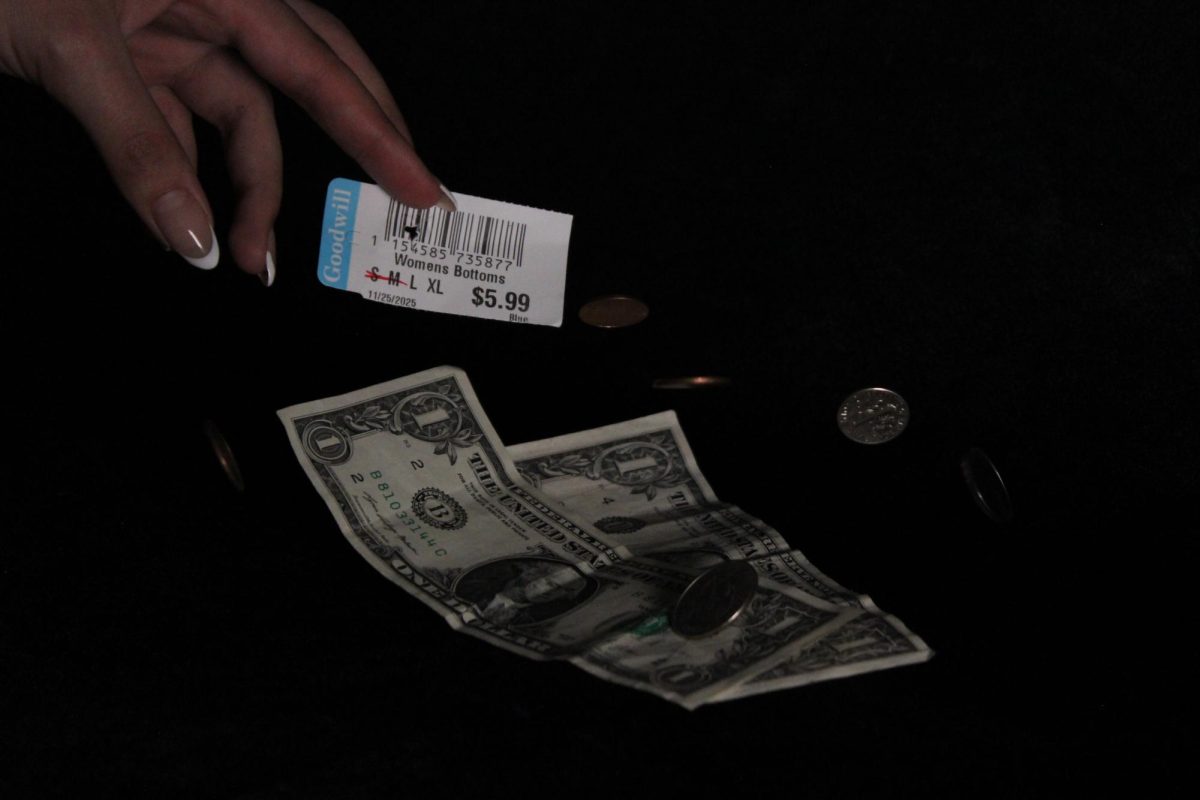
Thrift, resale, flea markets: Whatever you call the place you purchase secondhand items from, the idea that pre-owned items could give opportunity to people who might not be able to afford them brand new was a sustainability and business model that has advanced incredibly and has greatly impacted affordability of human essentials.
Affordable living is what so many modern thrift stores have chased after, but recently, the cost of items has risen dramatically. It is as though secondhand stores have forgotten the very people it is supported by are the ones who often rely on these stores as a regular source of products.
Conceptually, thrift stores are some of the best places to buy pre-owned items, but in reality, with the current price increase, living affordably is complicated. If families spend more on clothes, it takes money away from being able to afford other basic necessities like food, water and housing. According to the European Central Bank website, when prices shift, low-income families are heavily affected because they are forced to spend more money on essentials.
It is slightly understandable why thrift stores have increased their prices: They need money in order to stay in business. Even though price increases are inevitably going to happen, it doesn’t change the consequences it is having on families who may not be able to afford these items brand new. According to the California Academy of Mathematics and Science, many individuals with low incomes rely on resale stores to uphold their standard of living and maintain accessibility to affordable clothing. Low-income families will struggle to afford basic necessities if thrift stores do not lower their prices. According to the London Premier Centre, customers often feel that even a single dollar difference between an item’s original versus current price can deter them from buying. Secondhand stores, by lowering asking prices, will maintain and attract both new and returning customers.
Thrift stores need to consider lowering their prices to support their customers, encourage them to keep buying from them and continue to support affordable prices of human essentials.






Donovan "Boring" Dayley • Feb 24, 2026 at 11:38 am
Good article.