
Fashion trends are often influenced by broader economic conditions. In recent months, fashion economists across the industry have identified shifts in consumer behavior and industry practices that align with increased concern about a possible economic downturn according to fashion economists.
“At its core, fashion economics helps us understand fashion as both a reflection of the economy and a driver of economic activity, linking personal style choices to larger market outcomes,” Texas State University Professor of Fashion Cosette Martinez said.
Understanding fashion economics can also help us see the shifts in fashion trends.
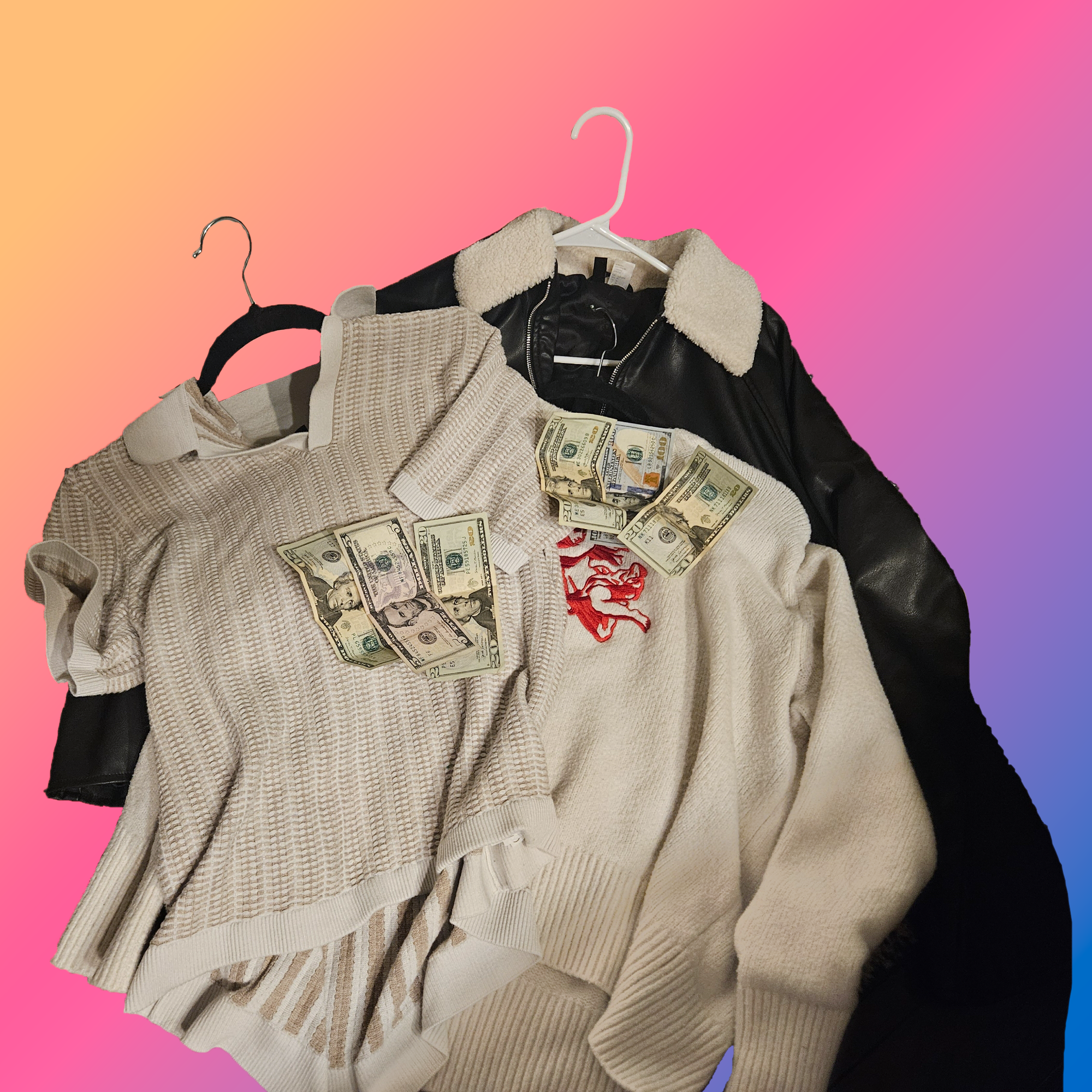
“Fashion trends have reflected economic shifts through value, practicality and sustainability,” Martinez said. “Consumers are choosing minimalist pieces, quiet luxury and resale items that emphasize quality over flashy branding.”
This new focus of consumers choosing quality is also being shaped by the growth of online shopping.
“Online shopping has fundamentally reshaped the economic landscape of fashion by changing how trends emerge, spread and are monetized,” Martinez said. “One of the most significant shifts is the speed at which trends now move.”
These shifts show how economic uncertainty influences consumer behavior and sets the stage for experts to explain how fashion trends can indicate broader market patterns. Examples of fashion indicating a recession have been seen before.
“During the 2008 recession, fashion shifted toward minimalism and muted colors, with fewer bold trends,” Joanna Berzowska, a researcher and designer focused on fashion and technology at University of Concordia, said.
Other historical trends have also been shown of consumer behavior shifting during economic changes.
“The early ‘90s saw a move away from the flashy, logo-heavy styles of the late ‘80s, consumers bought fewer statement pieces and more versatile basics,” Martinez said.
This can also reflect on how smaller budgets and economic pressure shapes how consumers choose what to wear.
“Consumers bought fewer statement pieces and more versatile basics, reflecting both tightened budgets and economic uncertainty,” Berzowska said.
There is a consistent link between economic conditions and fashion trends such as shifts towards minimalist design and cautious consumer spending reflect wider economic uncertainty. These changes suggest that fashion responds to economic conditions and also offers insight into our understanding of the economy.